Jul 24, 2026Buying Guides
How to Select the Right Lifting Platform for Warehouse Material Handling
Choosing a proper lifting platform helps boost warehouse efficiency and operational safety. Learn key parameters, common types and selection tips to pick the ideal lifting platform for your cargo
Choosing a suitable lifting platform greatly improves warehouse handling efficiency and operational safety. This guide introduces core parameters, common types and safety tips to help you select a qualified lifting platform for your working conditions.
H2: Core Parameters You Need to Check
H3: Rated load capacity
Load capacity is the first selection standard. Always choose a lifting platform with a rated load higher than your regular cargo weight to avoid overload risks, hydraulic damage and safety hazards.
H3: Maximum lifting height
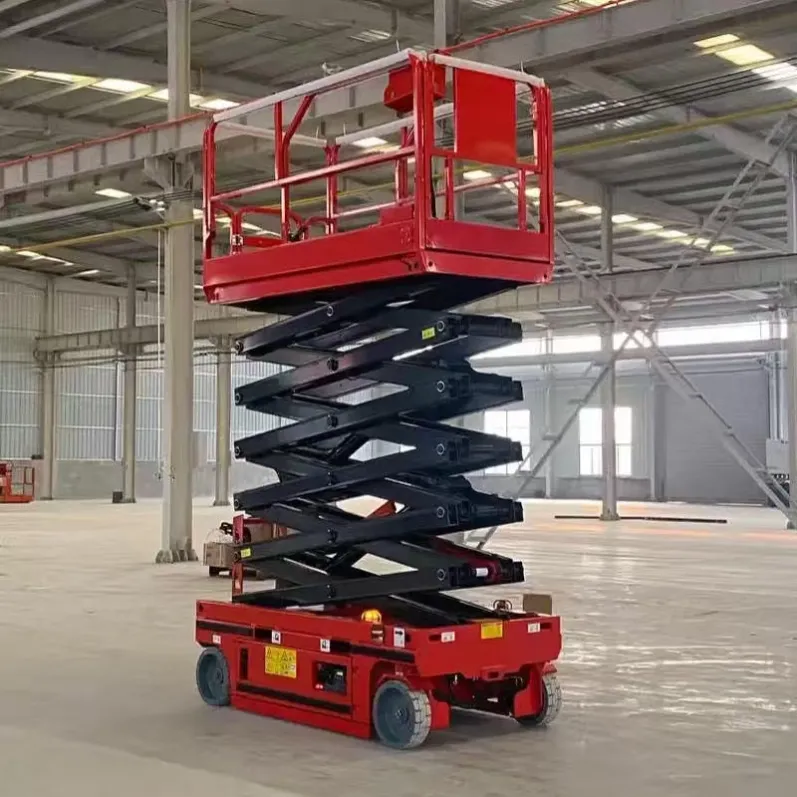
Match the lifting height to your actual needs. Low-height stationary platforms fit loading bays and floor transfer, while high-lift scissor platforms are ideal for high rack picking and high-altitude work.
H2: Main Types and Application Scenarios
H3: Stationary hydraulic lifting platforms
Stationary lifting platforms feature stable performance and large load capacity. They are fixed at workshops and warehouse loading areas, suitable for long-term, fixed-point vertical cargo transportation.
H3: Mobile scissor lifting platforms
Mobile lifting platforms are flexible and easy to move. They adapt to multi-site operations, widely used for warehouse stacking, equipment maintenance and temporary lifting tasks.
H2: Environmental Factors Affecting Selection
H3: Indoor working environment
Standard low-noise hydraulic lifting platforms fully meet daily indoor warehouse and workshop lifting demands with stable and quiet operation.
H3: Outdoor damp and dusty sites
For outdoor yards and construction sites, choose waterproof, dustproof and anti-rust lifting platforms to reduce component corrosion and ensure stable outdoor operation.
H2: Daily Safety and Maintenance Tips
H3: Strictly avoid overloading
Overloading will damage the hydraulic system and cause platform tilting. Always place cargo evenly and work within the rated load range.
H3: Regular daily inspection
Regularly check hydraulic oil condition, pipeline tightness, guardrails and control parts. Timely inspection effectively reduces failure rates and prolongs service life.
To sum up, load capacity, lifting height and working environment are the key to selecting a suitable lifting platform. If you are unsure about model specifications, contact us to get professional customized solutions for your material handling scenarios.
FAQ
Q: What’s the difference between a lifting platform and a scissor lift? A: A scissor lift is a type of lifting platform. Lifting platform is a general term covering stationary, mobile and customized hydraulic lifting equipment.
Q: Can stationary lifting platforms be used outdoors? A: Yes. Outdoor waterproof and anti-rust models are required for long-term outdoor operation.
Q: How to maintain a hydraulic lifting platform properly? A: Conduct weekly basic inspections and comprehensive maintenance every 3 months for heavy-duty use.