Sep 24, 2026Buying Guides
Diesel Forklift vs Electric Forklift: Full Comparison & Selection Guide
Forklifts are core handling equipment for warehouses, factories, logistics yards and ports. Diesel forklifts and electric forklifts are the two most mainstream types on the market.
Forklifts are core handling equipment for warehouses, factories, logistics yards and ports. Diesel forklifts and electric forklifts are the two most mainstream types on the market. Each has unique advantages in power performance, working environment, operating cost, maintenance cycle and service life. Choosing the right forklift according to actual working conditions can effectively reduce operating costs and improve handling efficiency. This article makes a comprehensive and detailed comparison between diesel forklifts and electric forklifts.
1. Power Performance & Working Capacity
Diesel Forklift
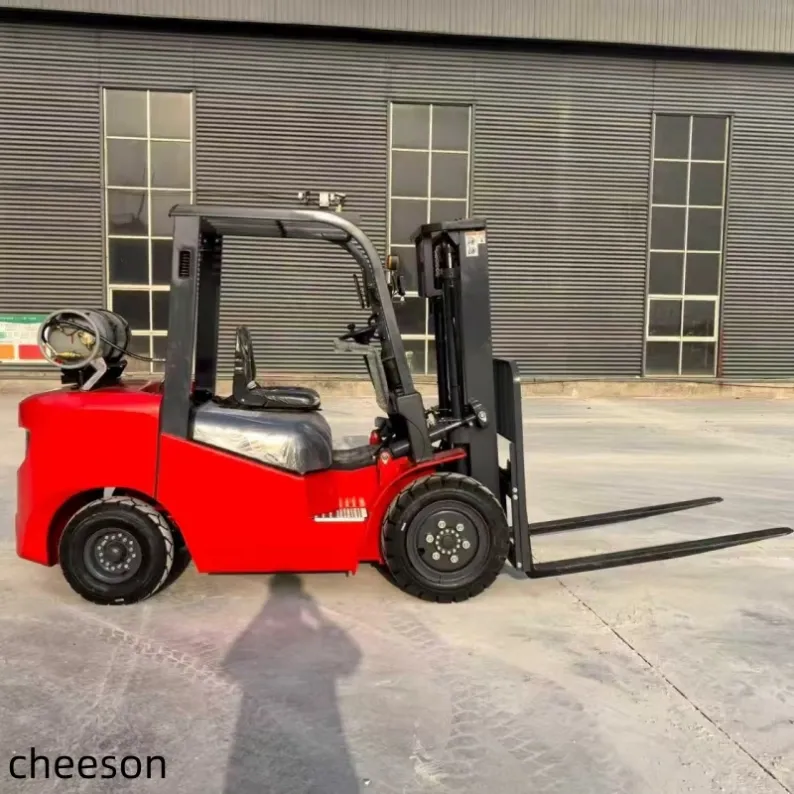
Powered by diesel engine, it features strong power, high torque and excellent overload resistance. It has outstanding performance in heavy-load handling, steep slope climbing and long-time continuous high-intensity operation. With fast driving and lifting speed, it adapts to complex working conditions such as uneven ground, gravel roads and outdoor open yards. It has stable power output without power attenuation under heavy load, and is suitable for 1.5T-10T and above large-tonnage handling operations.
Electric Forklift
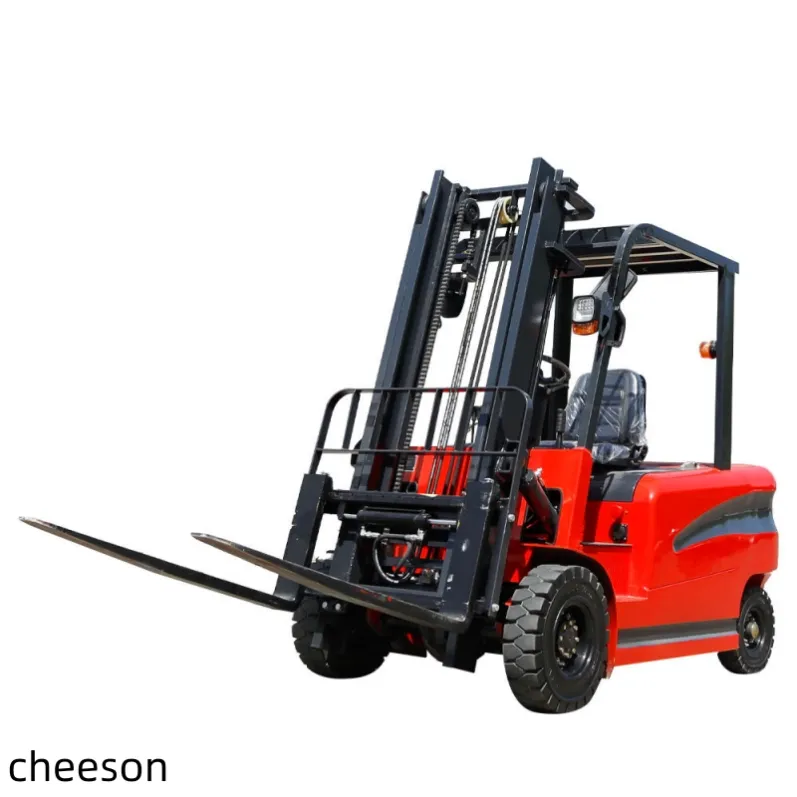
Driven by brushless motor and lithium battery, it delivers stable and linear power output. The operation is smooth without jitter or stalling. Its climbing and heavy-load performance is slightly weaker than diesel forklifts, and power will attenuate slightly when the battery is low. It is mainly applicable to medium and light load handling of 1T-5T, with more sensitive lifting and walking response, and higher operation accuracy for stacking and narrow-channel handling.
2. Application Scenarios & Environmental Adaptability
Diesel Forklift
It is an ideal choice for outdoor open working scenarios. It is widely used in ports, construction sites, freight yards, large logistics parks, stone factories and steel factories. It is not affected by low temperature, high temperature and complex road conditions, and supports 24-hour uninterrupted operation with refueling in 3 minutes. However, due to exhaust emission and noise, it is not allowed to work in closed indoor environments such as workshops, food factories, shopping mall warehouses and pharmaceutical factories.
Electric Forklift
Zero emission and low noise, fully compliant with environmental protection and indoor operation standards. It is mainly used for indoor closed and clean scenarios: food processing, electronics manufacturing, textile factories, pharmaceutical workshops, indoor storage warehouses and narrow-channel cargo stacking. It features flexible steering and small turning radius, which greatly improves the utilization rate of warehouse space. It is slightly poor in adaptability to extreme cold, extreme heat and muddy outdoor roads, and is more suitable for flat and standardized working environments.
3. Operating Cost & Energy Consumption
Diesel Forklift
The daily fuel cost is high. Long-term continuous operation consumes a large amount of diesel, resulting in high daily operating expenses. In addition, diesel engines require regular replacement of engine oil, filter elements and other consumables, with comprehensive daily operating and maintenance costs rising year by year. It is suitable for short-term high-intensity operation and engineering temporary use.
Electric Forklift
Extremely low energy consumption cost. The electricity charge for all-day operation is only a fraction of diesel cost, which can save a lot of operating expenses for enterprises in the long run. Modern lithium electric forklifts support fast charging and intermittent charging, with no memory effect. The battery life can reach 8-10 years with normal use, and the long-term cost performance is far higher than diesel forklifts, making it very suitable for long-term fixed warehouse operation.
4. Maintenance & Service Life
Diesel Forklift
The internal structure of diesel engine is complex, with many vulnerable parts. It needs regular professional maintenance including oil change, filter replacement, carbon cleaning and pipeline inspection. The maintenance cycle is short and the cost is high. Once the engine fails, the maintenance difficulty and parts replacement cost are relatively expensive. The overall service life is about 5-8 years, and the aging failure rate increases significantly after long-term high-intensity operation.
Electric Forklift
Simple overall structure, no complex engine and transmission components. The core components are motor, controller and battery, with few vulnerable parts. Daily maintenance is only simple cleaning and battery inspection, almost no consumable replacement cost. The failure rate is extremely low, and the whole machine is durable. The conventional service life can reach 8-10 years, with lower later maintenance time and labor cost.
5. Operation Experience & Safety Performance
Diesel Forklift
The engine has large operation noise and obvious vibration during work. The gear shifting operation is cumbersome, with obvious jitter during starting and stopping, and the operation fluency is general. Long-time driving is easy to cause driver fatigue. The exhaust gas contains pollutants, which will cause air pollution and hidden dangers to the health of operators in closed space.
Electric Forklift
No vibration, low noise and smooth operation. It adopts stepless speed regulation and electronic control operation, without clutch and gear shifting. The walking and lifting actions are stable and sensitive, which is very suitable for handling fragile goods and high-precision stacking. The ergonomic design effectively reduces driver fatigue. Zero emission and clean operation meet modern factory safety and environmental protection production standards.
6. Core Advantages & Applicable Customers Summary
Diesel Forklift Core Advantages
- Strong power, strong overload capacity and wide environmental adaptability
- Fast refueling, support uninterrupted high-intensity outdoor operation
- Suitable for heavy load, complex road and outdoor open scenarios
- Low initial purchase cost of small-tonnage models
Applicable customers: ports, freight yards, construction sites, large processing factories, short-term rental and temporary operation enterprises.
Electric Forklift Core Advantages
- Energy-saving and environmental protection, zero emission and low noise, compliant with factory environmental protection inspection
- Low operating and maintenance costs, high long-term cost performance
- Smooth and flexible operation, high handling accuracy and safe indoor use
- Durable and low failure rate, saving later maintenance time and cost
Applicable customers: indoor warehouses, food, electronics, pharmaceutical, textile and other clean factories, long-term fixed handling enterprises.
7. How to Choose Finally?
Choose Diesel Forklift: If your working scenario is mainly outdoor open space, with heavy load, frequent slope operation, complex road conditions and long-term uninterrupted high-intensity work, diesel forklift is the most practical choice.Choose Electric Forklift: If you work indoors with flat ground, have environmental protection and noise reduction requirements, pursue low long-term operating cost and stable and safe operation, electric forklift is the best choice. With the upgrading of environmental protection policies and lithium battery technology, electric forklifts have gradually become the mainstream choice of modern warehousing and logistics.